


Walrus
Web3 Crypto
Pays companies to license their de-identified operating data to frontier AI labs
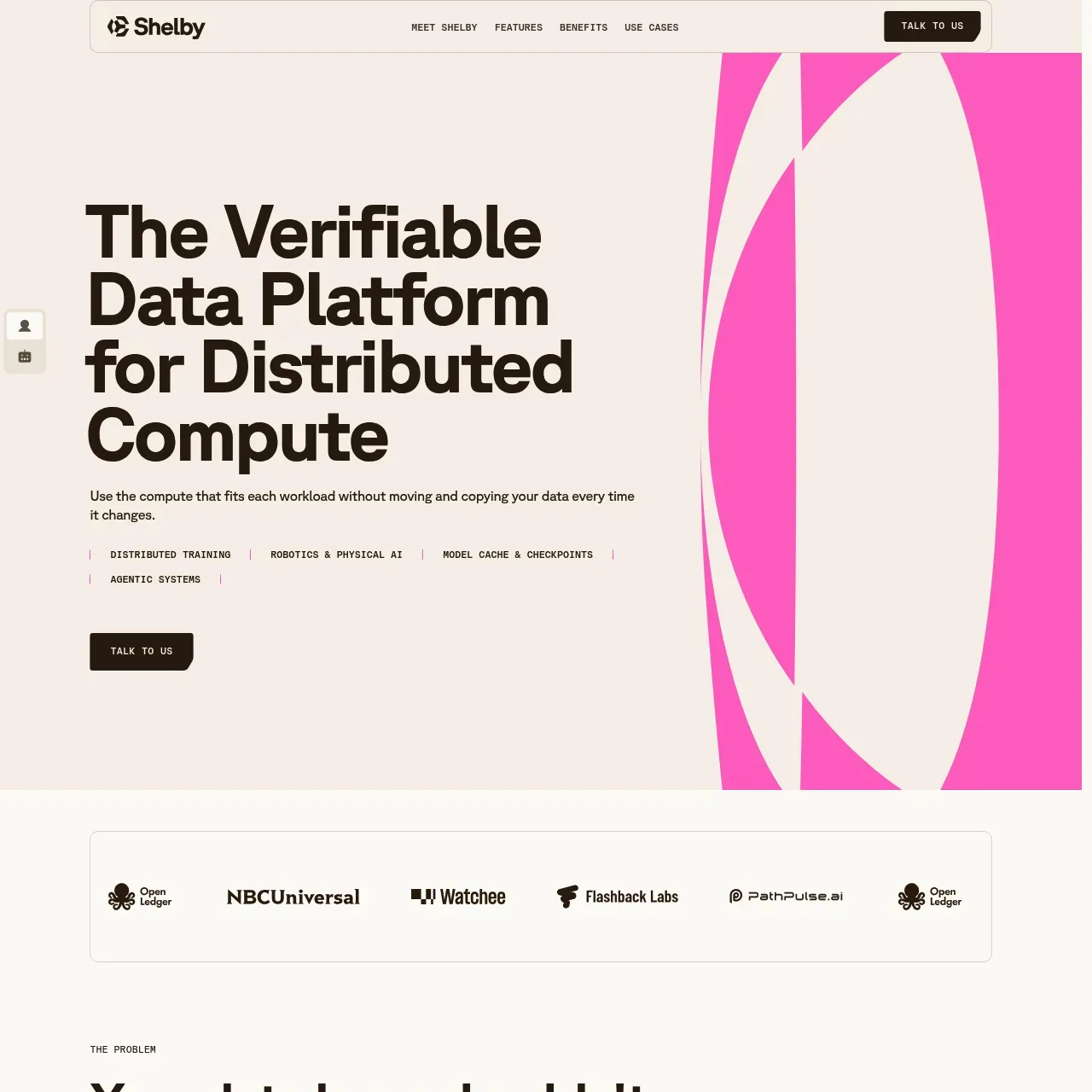
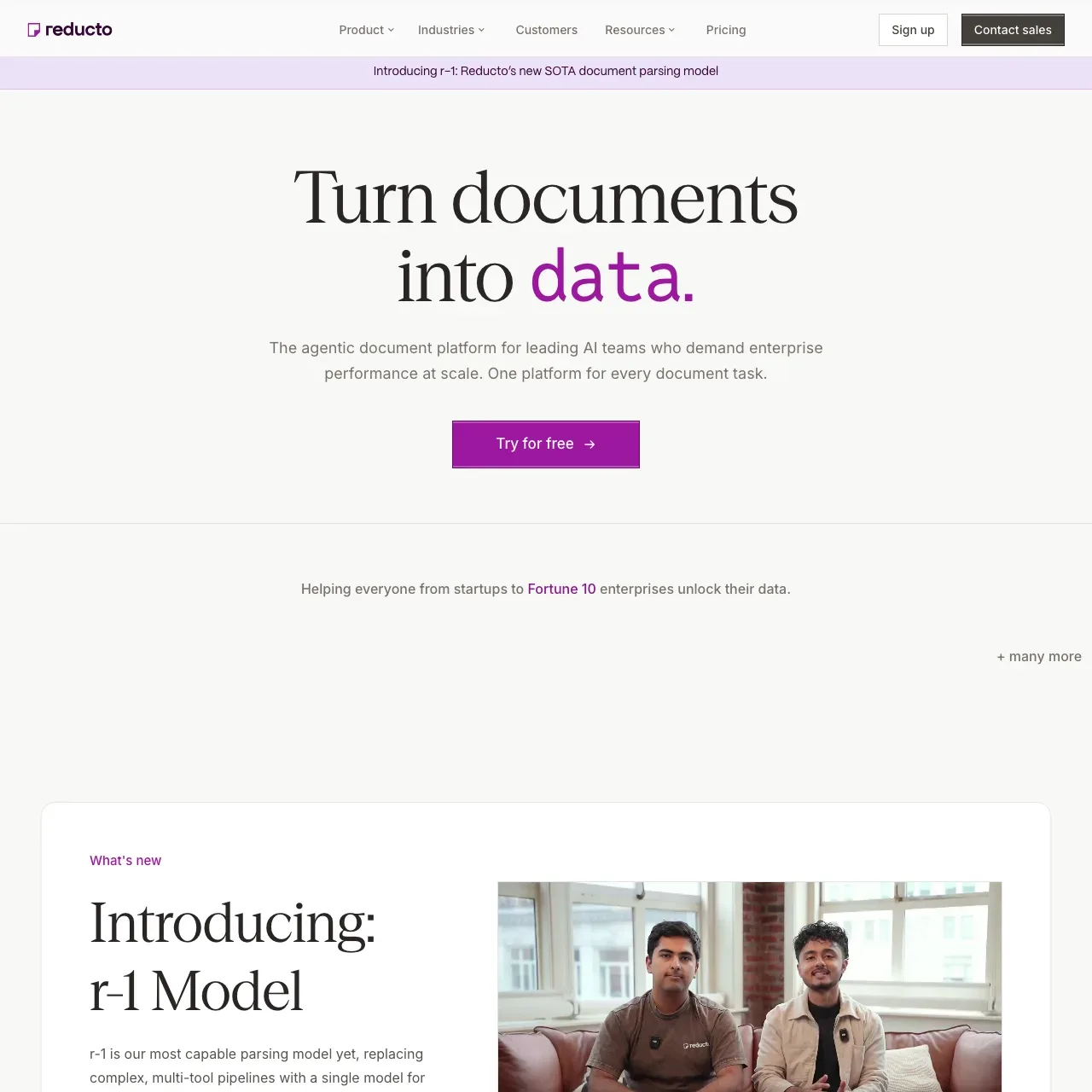
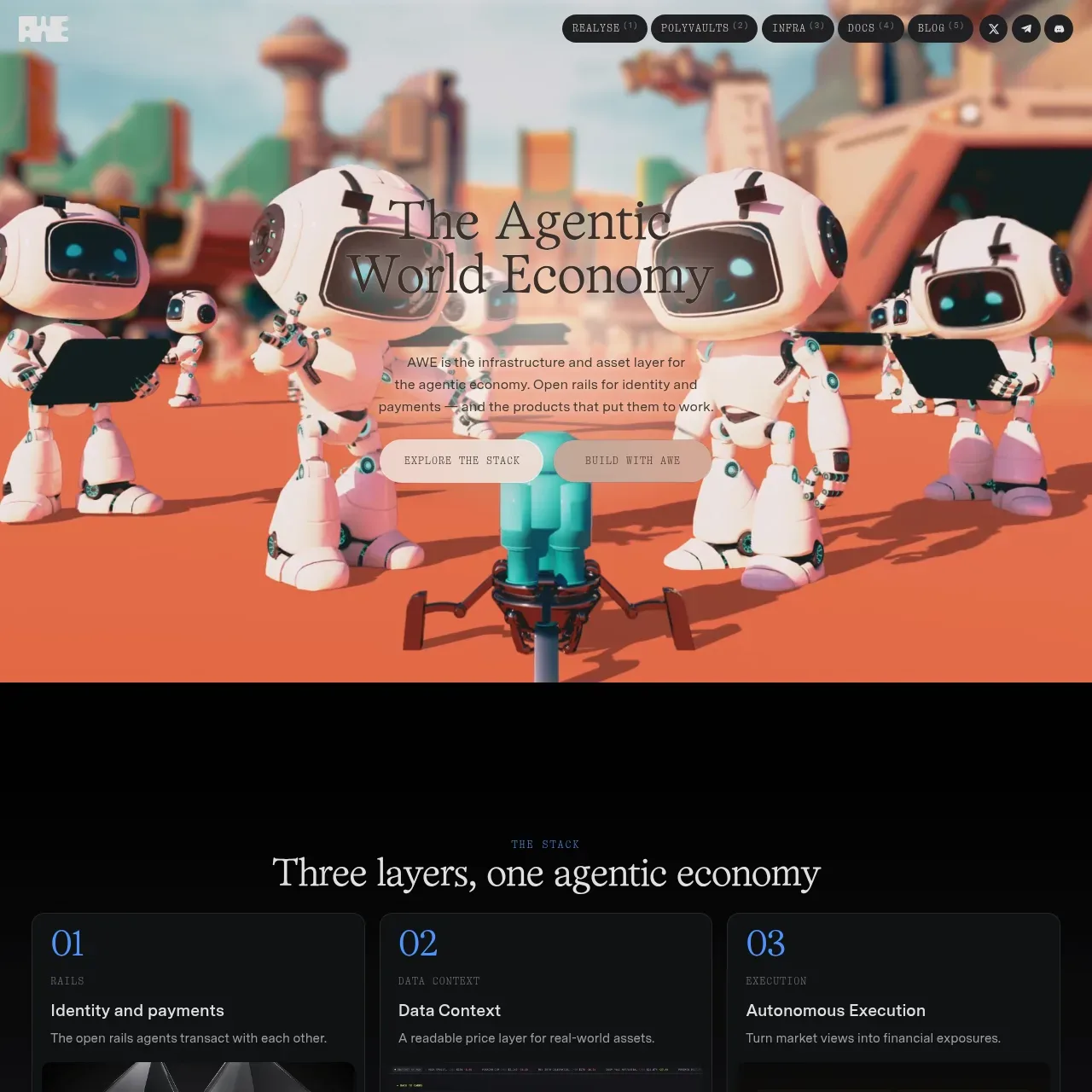
18.9MB · 8,022px tall · uses Geist, stkBureauSerif, Geist Mono
Industry
Data, AI Infrastructure
Style
Editorial, 3D, Scroll Animation
Stage
Seed
Built with
Next.js

About the site
Replay pays companies to license their operating data (Slack threads, code, support tickets, CRM records) to frontier AI labs after stripping out every name and identifier. Its homepage sells that as growth capital: a large serif headline on textured paper sits above a floating stack of documents, then a filing cabinet of data types slides shut as you scroll. A blue denim section charts payouts by headcount, from $10K for small teams to $1M+ for companies with 250+ employees, and a dark 'Four steps. 120 minutes of your time.' section walks through the process beside 3D bar charts. The de-identification section carries the trust argument with a scanner sweeping across a sample email and a comparison to HIPAA, followed by plain answers on who buys the data and which industries qualify. A useful reference for selling an unfamiliar, privacy-sensitive offer to founders through tactile art direction, concrete payout ranges and direct answers to the obvious fears.
For founders weighing equity or debt: recast years of Slack, code and CRM history as a sellable asset, then answer the privacy fear head-on.
Primary navigation
ClickTap a section to see it on the page
'Fund growth by licensing the data you already have.' in a large serif on textured paper, above a single 'Value my data' button and a floating stack of documents tagged Dashboard, PDF and Slack.
Why it converts: Calling data licensing a way to fund growth puts it beside equity and debt, and a button that promises a valuation asks for curiosity rather than a sales call.
A colored barcode strip runs under the hero into two oversized words: 'Millions' paid to businesses like yours and 'Billions' of personal identifiers removed.
Why it converts: Pairing money paid with identifiers removed answers a founder's first two questions, will it pay and is it safe, before any detail, even as round figures.
'You already own your next revenue stream.' weighs equity, debt and slow revenue, above a filing cabinet whose drawers, from Code and commits to CRM data, slide shut as you scroll.
Why it converts: Naming the cost of the usual funding options makes this one feel free, and the labeled drawers help a founder take stock of data they never saw as an asset.
On blue denim, 'What companies your size get paid.' charts $10K - $100K for 20-50 employees, $100K - $1M for 50-250 and $1,000,000+ for 250+, over notes on pricing and revenue share.
Why it converts: A founder can read their likely payout off the chart before talking to anyone, and an upfront payment plus revenue share turns a one-off sale into recurring income.
'Four steps. 120 minutes of your time.' heads a self-advancing list (Value, Terms, Protect, Payout) beside a dark 3D bar chart labeled 'Payments over time'.
Why it converts: Putting a time cost on the whole process answers the worry that this becomes a project, and the rising bars keep the payoff in view while the steps play.
'Your data leaves cleaner than a medical record.' sets HIPAA's 18 identifier categories against Replay's 60+, beside an email whose names, account IDs and API key light up as a scanner sweeps across.
Why it converts: Watching an ordinary email get scrubbed makes redaction concrete, and the medical-record benchmark borrows a standard buyers already trust; tabs add a 99%-versus-36% detection claim.
'Where your data gets sold' answers with two paper cards: only to frontier AI and data labs, and never to foreign adversaries or through brokers.
Why it converts: Saying who will not get the data addresses the fear of losing control after the sale, in two lines a founder could repeat to their board.
'Any industry. One requirement.' sets a paragraph about records of how the work got done beside a hub of tiles for Tech, Legal, Services, B2C, CPG, Finance, Hardware and E-commerce.
Why it converts: Making the requirement a paper trail rather than a sector lets a services or hardware company see itself as a seller, not just software startups.
'Find out what your data is worth' on a paper card over a collage of torn records and barcode strips, repeating 'Value my data' above a giant metallic Replay wordmark in the footer.
Why it converts: Ending on a valuation rather than a sale keeps the ask low-commitment, and the collage gives one last look at the raw records being turned into an asset.